Televisions play an important role in everyday life, whether it’s for entertainment, news, sports, or streaming content. With modern LED, LCD, and Smart TVs offering advanced features and high-definition visuals, even a minor issue can disrupt your daily routine. Like all electronic devices, TVs are prone to wear and tear, software glitches, and hardware failures over time. Understanding TV repairs helps you make informed decisions, avoid unnecessary expenses, and extend the lifespan of your television.
This comprehensive guide to TV repairs explains common problems, repair options, cost considerations, and maintenance tips in a simple and easy-to-understand way.
Understanding Common TV Problems
One of the most frequent issues faced by TV owners is when the television does not turn on at all. This usually points to a power-related problem, such as a damaged power supply board, faulty cord, or internal fuse failure. Sometimes, the issue may be as simple as a defective remote or unstable power source.
Another widely reported problem is a blank or black screen. In many cases, users can hear the sound but see no picture. This usually indicates a backlight issue or a problem with the display components such as the T-Con board or internal connections. If left unattended, this issue may worsen over time.
Picture distortion is another concern, including flickering screens, horizontal or vertical lines, or faded colors. These issues may result from loose internal cables, circuit board malfunction, voltage fluctuations, or aging components. Audio problems are also common, ranging from no sound at all to distorted or low-quality output, often caused by speaker damage, incorrect audio settings, or software glitches.
Smart TVs may face connectivity problems, such as Wi-Fi not connecting, apps crashing, slow performance, or the TV freezing during use. In many cases, these issues are related to outdated software, corrupted firmware, or network configuration problems.
Is It Worth Repairing Your TV?
Before proceeding with a repair, it is important to evaluate whether repairing the TV is a sensible option. The age of the television plays a major role, as older models may require costly parts that are difficult to source. The nature of the issue also matters greatly. Software-related issues are typically affordable to fix, whereas display panel damage can be expensive.
Warranty status is another critical factor. If the TV is still under manufacturer warranty, repairs may be covered at little or no cost. Comparing the estimated repair cost with the price of a new TV can help you decide whether repair or replacement is the better option. If the TV was functioning well until recently and is relatively new, repair is usually worthwhile.
Basic Troubleshooting Before Calling a Technician
There are a few safe steps users can try before seeking professional help. Performing a power reset is often effective for resolving minor glitches. This involves turning off the TV, unplugging it from the power source, waiting a minute or two, and plugging it back in. This simple reset can resolve many software-related issues.
Checking all connected cables is also important. Loose HDMI, AV, or power cables can cause display or sound problems. Ensuring that all cables are securely connected may instantly fix the issue. For Smart TVs, checking for system updates is recommended, as outdated software can cause apps and connectivity features to malfunction.
If sound issues persist, reviewing audio settings and switching output modes may help. However, users should avoid opening the TV or attempting internal repairs, as this can cause further damage and void warranties.
Professional TV Repair Services Explained
When basic troubleshooting does not work, professional repair is necessary. One common repair involves fixing or replacing the power supply board, which is responsible for supplying electricity to the TV’s internal components. Backlight or LED strip repair is another frequent service, especially when the screen remains dark while sound continues to play.
Mainboard repairs are required when the TV experiences multiple functional problems, such as failure of ports, apps not working, or no response to commands. The T-Con board, which controls screen timing and display signals, may need replacement if the screen shows lines or distorted visuals.
Screen panel replacement is the most complex and expensive repair. In many cases, the cost of panel replacement is close to the price of a new TV, which is why customers often consider upgrading instead of repairing.
TV Repair Cost Overview
The cost of TV repair depends on several factors, including the brand, screen size, type of issue, and availability of spare parts. Minor repairs such as power supply fixes or software updates are generally affordable. Moderate repairs like backlight or board replacements fall in the mid-range. Panel replacement usually carries the highest cost and may not be cost-effective for older televisions.
It is always recommended to request a detailed quotation before approving any repair work, ensuring transparency and avoiding unexpected charges.
The TV Repair Process
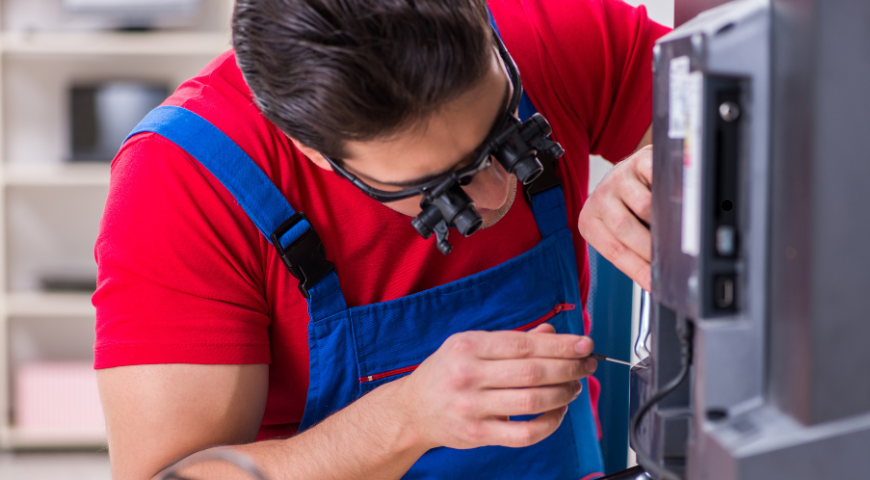
A professional TV repair typically starts with a thorough diagnosis to identify the exact fault. Once the issue is confirmed, the technician provides a repair estimate. After customer approval, the repair work is carried out using suitable tools and components. Post-repair testing ensures that the television functions properly before it is returned to the customer.
Reliable service providers also offer limited warranties on repaired parts, giving customers confidence and peace of mind.
Choosing the Right TV Repair Service
Selecting a dependable TV repair service is crucial. Look for technicians with verified reviews, transparent pricing, and experience handling different TV brands and models. Services that provide warranties on repairs and offer prompt support are generally more trustworthy.
Avoid services that provide unclear quotations or pressure customers into unnecessary repairs. Clear communication and professionalism are key indicators of a reliable repair provider.
Maintenance Tips to Extend TV Life
Proper care can significantly reduce the likelihood of future problems. Keeping the TV clean and dust-free helps prevent internal damage. Using a surge protector protects the TV from voltage fluctuations. Adequate ventilation around the TV prevents overheating, and careful handling reduces the risk of physical damage.
Updating software regularly and switching off the TV during long periods of inactivity can also contribute to better long-term performance.
When Replacement Makes More Sense
Replacing the TV may be a better option if the repair cost is very high, the TV is outdated, or the display panel is damaged beyond repair. Multiple recurring issues may also indicate that the TV has reached the end of its usable life.
Conclusion
Understanding TV repairs allows you to handle problems confidently and avoid unnecessary expenses. From recognizing early symptoms to knowing when to repair or replace, being informed makes all the difference. With timely maintenance and the support of experienced technicians, your television can continue to deliver reliable performance for years to come.

Recent Comments